



3 min read

How Tonic3 Modernized Buenos Aires’ Digital Infrastructure to Enhance Public Services

How Tonic3 Modernized Buenos Aires’ Digital Infrastructure to Enhance Public Services
2:02

The city of Buenos Aires needed to modernize its fragmented digital infrastructure to provide an accessible, efficient, and consistently branded experience for its citizens.

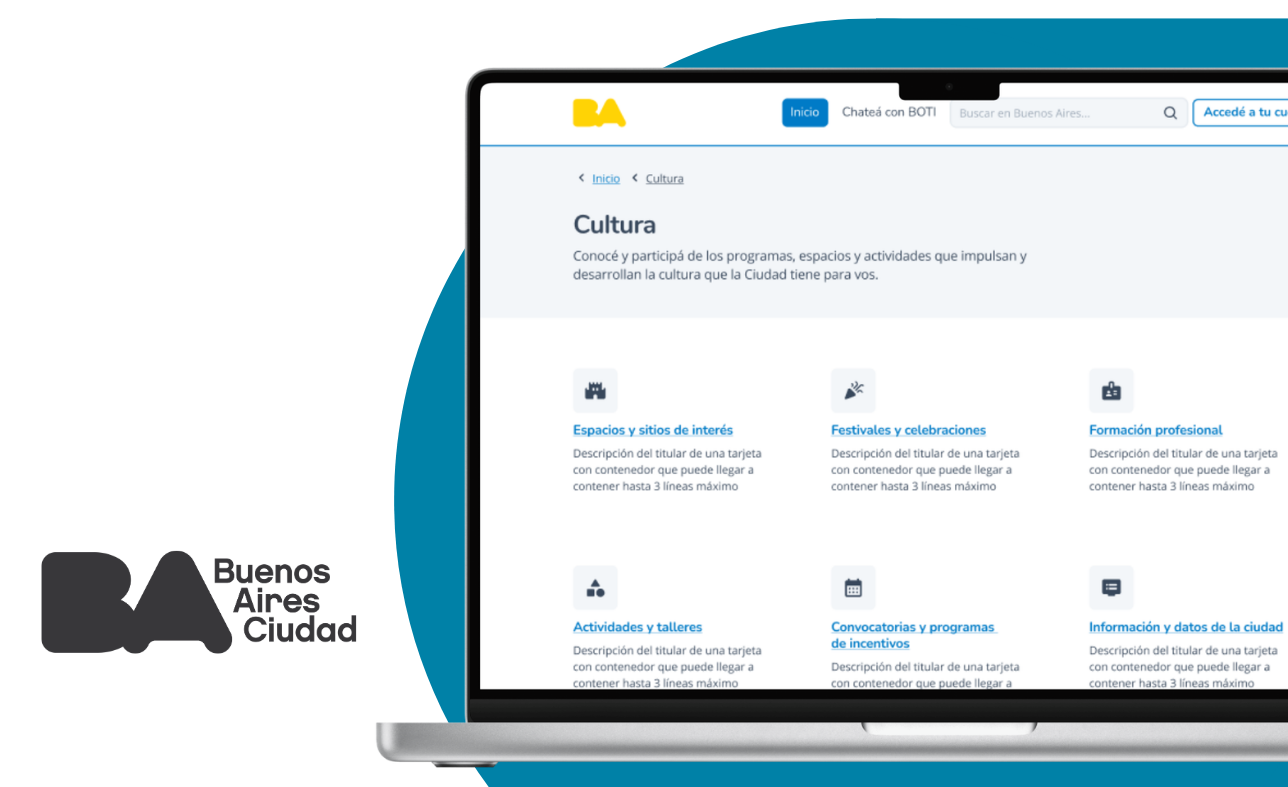
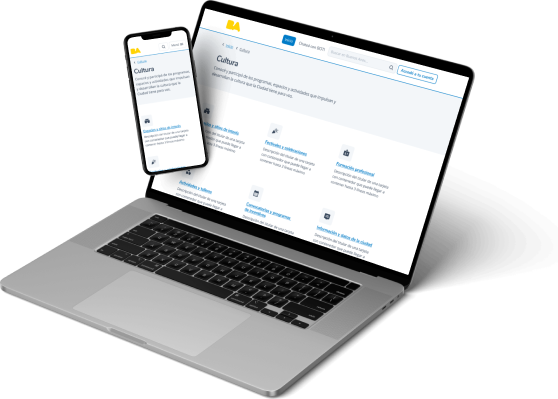
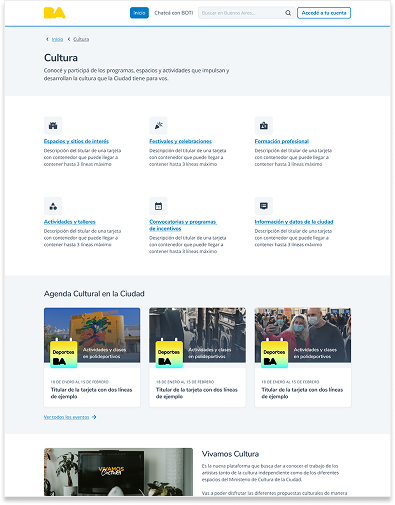
Tonic3 delivered a user-centered digital transformation comprising comprehensive research, intuitive design, and prototype development that resulted in a modern, accessible public service web portal.

  • Modernized Digital Experience: Created a user-friendly portal and consistent brand system.
  • High Performance: Achieved 80% positive user feedback through rigorous testing.
  • Data-Driven Foundation: Built using 120 wireframes and 15 prototypes based on extensive user research.
  • Improved Public Access: Streamlined services to better connect citizens with the city.

 Agile UX Approach 

 Used modern design methods to improve Buenos Aires city services.

 User Research

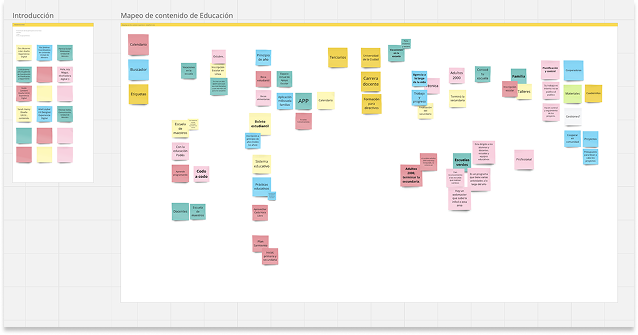
 Involved 90 people in card-sorting activities to ensure the site structure makes sense to users. 

 Design Assets

 Produced 120 wireframes and 15 prototypes to map out the new digital experience. 

 Proven Success

 Achieved an 80% satisfaction rate from users during testing.

Tonic3 partnered with the city of Buenos Aires to modernize its digital infrastructure. The aim was to create a more efficient and accessible web experience for citizens by adopting a user-centric approach to public service delivery.

The Challenge: Overcoming Fragmentation: Addressing Buenos Aires’ Disjointed Digital Landscape


Buenos Aires faced challenges with its existing digital platforms, which were disjointed and not user-friendly. Citizens experienced difficulties accessing public services digitally due to inconsistent branding and an outdated interface. The city required a comprehensive solution to unify its digital presence, streamline public service delivery, and improve overall usability to meet the expectations of a diverse population.

The Approach: Research-Driven Design: A Collaborative and Iterative Approach to Modernizing the City’s Digital Infrastructure


The project began with a comprehensive research phase that included stakeholder interviews and user surveys to understand the needs and pain points of the city's diverse user base. Card sorting activities with 90 participants helped prioritize content and functionality to ensure intuitive navigation.

Based on the research insights, Tonic3 developed 120 wireframes, laying out the structure and flow of the new web portal. These wireframes evolved into 15 navigable prototypes to test and refine usability before full development.

The iterative design process allowed for continuous feedback collection and validation, leading to an 80% positive feedback rate from user testing. Additionally, an interactive brand system was put in place to maintain consistent visual identity and improve user trust across all digital touchpoints.

This holistic, user-centric approach ensured a modernized digital infrastructure that not only improved access to public services but also positioned Buenos Aires as a leader in digital government innovation.

Tonic3 partnered with the city of Buenos Aires to modernize its digital infrastructure. The aim was to create a more efficient and accessible web experience for citizens by adopting a user-centric approach to public service delivery.

The Challenge: Overcoming Fragmentation: Addressing Buenos Aires’ Disjointed Digital Landscape


Buenos Aires faced challenges with its existing digital platforms, which were disjointed and not user-friendly. Citizens experienced difficulties accessing public services digitally due to inconsistent branding and an outdated interface. The city required a comprehensive solution to unify its digital presence, streamline public service delivery, and improve overall usability to meet the expectations of a diverse population.

The Approach: Research-Driven Design: A Collaborative and Iterative Approach to Modernizing the City’s Digital Infrastructure


The project began with a comprehensive research phase that included stakeholder interviews and user surveys to understand the needs and pain points of the city's diverse user base. Card sorting activities with 90 participants helped prioritize content and functionality to ensure intuitive navigation.

Based on the research insights, Tonic3 developed 120 wireframes, laying out the structure and flow of the new web portal. These wireframes evolved into 15 navigable prototypes to test and refine usability before full development.

The iterative design process allowed for continuous feedback collection and validation, leading to an 80% positive feedback rate from user testing. Additionally, an interactive brand system was put in place to maintain consistent visual identity and improve user trust across all digital touchpoints.

This holistic, user-centric approach ensured a modernized digital infrastructure that not only improved access to public services but also positioned Buenos Aires as a leader in digital government innovation.

 Tonic3 partnered with the city of Buenos Aires to modernize its digital infrastructure. The aim was to create a more efficient and accessible web experience for citizens by adopting a user-centric approach to public service delivery. 


Outcomes +
Why It Matters